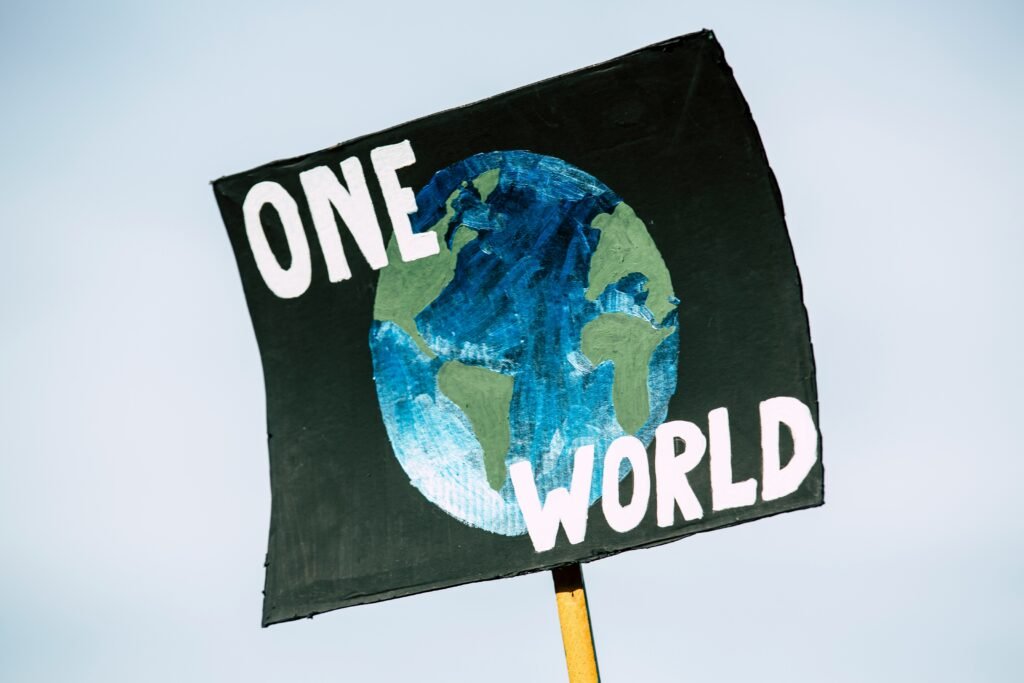
We know that the best fiction is based on truth. Climate science is important for climate fiction readers and writers to understand now more than ever. Although the science is settled, people still disagree on whether and why climate change is happening. The United Nations explores why this is happening and how to address this. Cli-Fi writers and readers can help by making sure that climate fiction accurately portrays climate impacts and states the causes.
There is unequivocal evidence that Earth is warming at an unprecedented rate. Human activity is the principal cause. – NASA
Why Is Climate Change Happening?
Burning fossil fuels releases greenhouse gases into the atmosphere, which acts like an insulated jacket for the Earth, trapping in heat. The science isn’t controversial. Peer-reviewed scientists agree that climate change is happening and that humans are the cause. NASA says that 97% of scientists agree that humans are causing climate change. Other scientific groups and agencies have also issued statements that humans are the leading cause of climate change.
Climate Impacts
Climate impacts are already happening in the United States and around the world. In the U.S., where I’m based, we’ve seen stronger storms, raging wildfires, and devastating coral bleaching, to name a few. These impacts are all going to get worse as we continue to release greenhouse gases into the atmosphere. According to the U.S. National Aeronautics and Space Administration, climate impacts will include:
- Seas rising by up to six feet by 2100;
- Stronger hurricanes, with more damaging winds, higher storm surge, and more rain;
- More droughts;
- More heat waves;
- Longer wildfire seasons;
- Changes in how much snow and rain we get;
- Changes in our agricultural growing seasons.
Every place throughout the United States will not experience impacts equally. While some states are experiencing droughts, other states could see more rain, for example. NASA delves into the regional effects here. The U.S. Climate Vulnerability Index reviews “environmental, social, economic, and infrastructure effects on neighborhood-level stability.”
Additional Climate Science Resources
- Intergovernmental Panel on Climate Change (IPCC). Created by the United Nations, the IPCC assesses climate science and communicates global climate impacts to policymakers.
- Fifth National Climate Assessment. Created by U.S. Congress, this work focuses on climate impacts in the United States. The last report was published in 2023.
- U.S. Global Change Research Program. This fantastic website consolidates climate reports and science from fifteen federal agencies.
- Climate Literacy and Energy Awareness Network. This website presents climate science focused on educators, making the science digestible.
- Climate Mental Health Network. Living in a world of uncertainty can be stressful! The Climate Mental Health Network is here for you, as it shares resources on how to manage climate anxiety. Check out its Climate Emotions Wheel below!

